

Can you use vitamin C and hyaluronic acid together?
Yes. Vitamin C and hyaluronic acid work well together and improve each other. Vitamin C is an antioxidant that defends skin and evens tone. Hyaluronic acid is a humectant that holds water. Apply vitamin C first on clean skin, then hyaluronic acid on damp skin.
Key takeaways
- Vitamin C and hyaluronic acid never clash. One fights free radicals, the other holds water.
- Correct order: vitamin C on clean, dry skin, then hyaluronic acid on slightly damp skin, then moisturiser.
- Vitamin C needs a low pH to work. Hyaluronic acid works across a wide pH, so it adapts to whatever it sits over.
- In the morning, vitamin C belongs under sunscreen. Together they guard skin from daytime damage.
- Keep vitamin C and retinol at opposite ends of the day. Two strong actives at once can leave skin tight.
On this page
- Can you use them together, and why they suit each other
- Which goes first, vitamin C or hyaluronic acid
- The pH reason they complement, not conflict
- What to pair vitamin C with, and what to watch
- Why this matters for your skin
- FAQ
By the SKEYNDOR Australia Education Team. SKEYNDOR has formulated professional skincare since 1966 in Barcelona, with more than 20 years of vitamin C work behind it.
Last reviewed: July 2026
Can you use vitamin C and hyaluronic acid together?
Vitamin C and hyaluronic acid are the two serums most people already own. Layered right, each one makes the other worth more. The warning that actives fight is real for some pairs. It does not apply to these two.
These two do different jobs. Vitamin C is an antioxidant. It neutralises free radicals, the unstable molecules that UV and pollution set loose in skin, and over time it supports a more even tone. Hyaluronic acid does none of that. It is a humectant, a molecule that binds water and holds it in the upper layers of skin. One is a shield. The other is a sponge.
Nothing about a shield undoes a sponge. That is why the pair is so common, and so safe. You can use them in one serum or in two steps, morning or night.
The confusion comes from lumping every "acid" together. Hyaluronic acid is not an exfoliating acid like glycolic or salicylic. The word is chemistry, not function. It does not strip skin or lower its pH. It draws water, the way a dry cloth draws a spill.
Plenty of people run both already and wonder if they have made a mistake. They have not. The only thing worth fixing is the order.
Which goes first, vitamin C or hyaluronic acid?
Vitamin C first, on clean skin. Then hyaluronic acid while skin is still damp. The rule that governs this is simple: whatever needs bare skin and a low pH goes underneath, and whatever needs water goes on top.
Vitamin C needs both. Pure L-ascorbic acid only stays active at a low pH, and it penetrates best when nothing sits between it and the skin. Put anything under it and you buffer its acidity and slow it down. So it goes straight onto clean skin, before the rest of the routine.
Hyaluronic acid has the opposite need. It pulls moisture, so it needs moisture to pull. On bone-dry skin in a dry room it can draw water from deeper in the skin instead of from the air, which is the last thing you want. Apply it to slightly damp skin and it grabs the surface water and holds it. That is why it belongs over the vitamin C, not under it.
The full morning order runs like this, with the reason for each step.
| Step | Product | Why |
|---|---|---|
| 1 | Cleanser | Clears oil and film. Nothing should sit between the next step and bare skin. |
| 2 | Vitamin C serum | Goes on clean, dry skin. It needs a low pH to stay active, and a bare surface lets that acidity work. |
| 3 | Hyaluronic acid | Applied while skin is still slightly damp. It binds surface water, so it needs water to bind. |
| 4 | Moisturiser | Seals the humectant. Stops hyaluronic acid pulling water back out into dry air. |
| 5 | Sunscreen | Vitamin C fights the free radicals UV creates. Sunscreen blocks the UV. Two defences, one morning. |
At night, drop the sunscreen and swap the active. Vitamin C by day, retinol by night. More on why below.
One nuance the SERP gets tangled in. Some routines put hyaluronic acid first, on damp skin, then vitamin C. That works only if your vitamin C is oil-based rather than water-based, because an oil-soluble form can pass through a thin humectant layer. For the common water-based L-ascorbic serum, vitamin C first is correct. When in doubt, thinnest to thickest, and the low-pH active on bare skin.

The pH reason they complement, not conflict
The whole answer sits in one number: pH. Vitamin C is fussy about it. Hyaluronic acid is not. That mismatch is exactly why they get along.
Pure ascorbic acid works in a narrow, acidic window, around a pH of 3.5 or lower. Raise the pH and the molecule loses its charge and its ability to cross into skin. This is why vitamin C serums are formulated acidic, and why they go on first, before anything can nudge that pH up.
Hyaluronic acid carries no such demand. It binds water across a wide pH range. It sits happily over an acidic vitamin C layer without being neutralised, and it will sit just as happily under a near-neutral moisturiser. It adapts to whatever it meets. A pair only conflicts when both partners want incompatible conditions at the same moment. These two never do.
There is a second reason the market gets this wrong. Not all vitamin C is ascorbic acid. Stable derivatives behave differently, and they change the rules. Ascorbyl Tetraisopalmitate, listed on labels as VC-IP, is oil-soluble and far gentler on pH. SKEYNDOR uses it because it delivers up to 700% increased cellular absorption compared with pure ascorbic acid, without the instability. A derivative like that is more forgiving about what sits around it, which widens your layering options.
Vitamin C sets the terms, hyaluronic acid agrees to them, and the routine holds.

What to pair vitamin C with, and what to watch
Vitamin C is social. It layers with most of a routine, and it multiplies the value of sunscreen. A few partners need timing, not avoidance. Here is the quick guide.
| Pair with vitamin C | How it works together | What to watch |
|---|---|---|
| Hyaluronic acid | Layer freely. Hyaluronic acid adds water, vitamin C adds antioxidant defence. | Nothing. This is the natural pair this article is about. |
| Niacinamide | Fine together in modern, stable formulas. Both support a more even, resilient look. | Old warnings about the two cancelling out came from unstable, high-heat mixes, not today's cosmetic serums. |
| Sunscreen (SPF) | The best partner of all. Daytime vitamin C strengthens what your SPF starts. | Vitamin C is never a sunscreen substitute. It works with SPF, not instead of it. |
| Retinol | Powerful pair over a full day, but not at the same moment. | Split them: vitamin C morning, retinol night. Stacking both at once can leave skin tight and reactive. |
| AHA or BHA exfoliants | Useful in the same routine, spaced out. | Two low-pH actives together can sting sensitive skin. Alternate days, or morning and night. |
One caveat runs across all of these. More actives is not more result. Skin that is stripped and reactive absorbs nothing well. If you are new to vitamin C, start a few mornings a week, pair it only with hyaluronic acid and sunscreen, and build from there.

Why this matters for your skin
Layering is not fussiness. It is the difference between a serum that works and one that sits on the surface doing very little.
Get the order wrong and you pay twice. Vitamin C under hyaluronic acid loses potency, because the humectant buffers the acidity it needs. Hyaluronic acid on parched skin can pull water the wrong way, drawing it up from deeper down and leaving the surface tighter than before. Two good products, half the result. The giveaway is skin that feels dry despite a shelf of hydrating serums. Almost always, it is order and technique, not the products.
There is a deeper reason the pair matters, and it lives below the surface. Hyaluronic acid holds water in the same matrix that proteoglycans build, the water-binding scaffold that keeps skin plump and springy. If you want the fuller picture, read what proteoglycans do in your skin. Vitamin C sits on the other side of the same story. It supports collagen and helps defend against the free radicals that break this scaffold down. Ellagic acid, a plant antioxidant, can increase fibroblast absorption of vitamin C by 41%, which is why SKEYNDOR pairs vitamin C with antioxidant-rich extracts rather than using it alone.
The daytime case is sharpest of all in this country. Australian UV loads skin with free radicals, and that oxidative load is one reason pigmentation looks worse after an Australian summer. Morning vitamin C, under sunscreen, is a direct answer to that load. Hyaluronic acid keeps the barrier comfortable while it does its work. If your skin runs reactive, a mist of thermal spring water is a calm base to layer hyaluronic acid onto, since it gives the humectant clean water to hold.
FAQ
Should I apply hyaluronic acid or vitamin C first? Vitamin C first, on clean skin. It needs a low pH and bare skin to work, so nothing should sit under it. Then hyaluronic acid while your skin is still slightly damp, so it has water to hold. Moisturiser seals both.
Can I mix vitamin C and hyaluronic acid in one serum? Yes. Many stable serums combine them, and they suit each other well. Vitamin C brings antioxidant defence at a low pH. Hyaluronic acid brings water and is pH-flexible. Neither cancels the other, so a single well-formulated serum is fine.
Do vitamin C and hyaluronic acid cancel each other out? No. They act on different things. Vitamin C is an antioxidant that guards against free radicals and supports even tone. Hyaluronic acid is a humectant that holds water in the upper skin. Different jobs, no conflict, so they layer cleanly.
Can I use vitamin C and hyaluronic acid every day? Yes, daily is where both earn their keep. Vitamin C suits the morning, under sunscreen, for daytime antioxidant defence. Hyaluronic acid suits morning and night. Introduce a new vitamin C slowly if your skin is reactive, then build to daily.
Is it better to use vitamin C in the morning or at night? Morning, for most people. Vitamin C works alongside sunscreen to guard skin from daytime free radicals, so it earns its place by day. Save retinol for night. Keeping your two strongest actives at opposite ends of the day is gentler on the barrier.
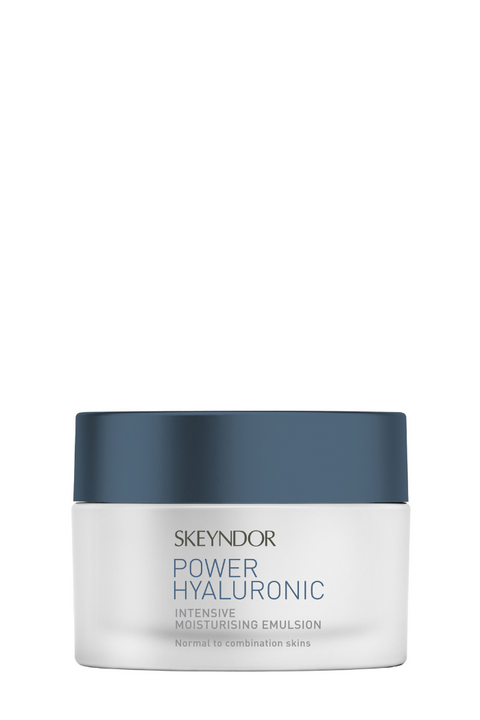
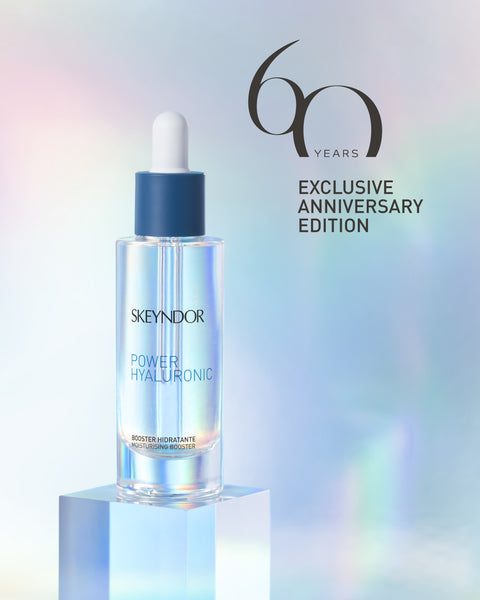
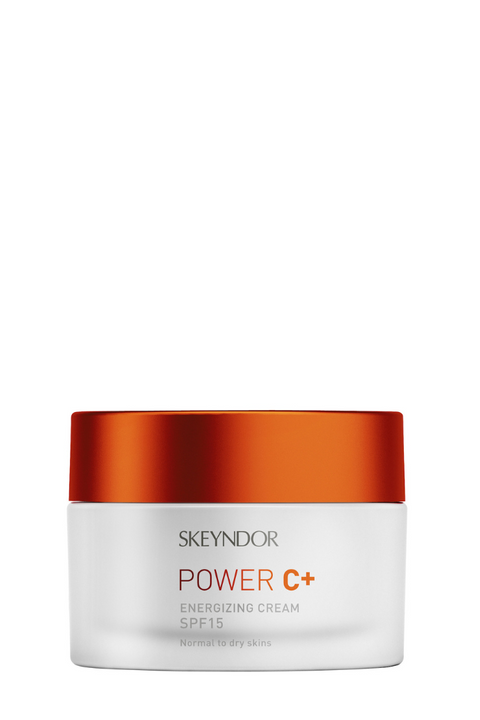
Ready to build the pair into your routine? SKEYNDOR has formulated vitamin C since 1997, part of 60 years and 4,500 formulas developed in Barcelona and sold in more than 60 countries. Explore Power C for antioxidant defence, formulated so the vitamin C is absorbed and stays active, and Power Hyaluronic for hydration built on hyaluronic acid of several molecular weights, which reaches different depths of the skin. Vitamin C first, hyaluronic acid second, and your skin gets the full value of both.
Not sure what your skin needs?
Two minutes with SKIN IQ maps your skin and matches the routine to it. No guesswork.
Take the skin quizBefore You Go…
Here are a few handpicked articles to inspire your next self-care moment.


