

Why is my pigmentation worse after an Australian summer?
Pigmentation often looks worse after summer because UV triggers melanin that surfaces weeks later. Sun spots and uneven tone from months of exposure become most visible in autumn and winter as skin renews, which is exactly why the low-UV cooler season is the smartest time to act.
Key takeaways
- Most of the pigment you notice now was made weeks or months ago. The deeper pigment often takes around three to six weeks after peak sun exposure to rise to the surface and become visible.
- UV, and heat, stimulate melanocytes to make melanin. Some shows up quickly as a tan, but much of it forms deeper in the skin and only surfaces slowly as skin renews.
- Uneven tone tends to peak in autumn and winter. The overall summer tan fades, the darker spots stay put, and the rising contrast makes them stand out.
- This delayed, seasonal pattern is expected. It is not a sign your skin or your routine has failed.
- The cooler, low-UV months are the safest time to act. Daily SPF, vitamin C and gentle renewal at home, with professional brightening or resurfacing when you want to go further.
On this page
- Why does pigmentation look worse after summer?
- How long after sun exposure does pigmentation appear?
- Why is this worse in Australia?
- What actually causes uneven tone and dark spots?
- Is winter the best time to work on pigmentation?
- How do you fade and prevent uneven tone?
- Why this matters for your skin
By the SKEYNDOR Australia Education Team. SKEYNDOR has formulated professional skincare since 1966, and every treatment in Australia is delivered by trained skin therapists in authorised partner clinics and spas.
Last reviewed: July 2026.
Why does pigmentation look worse after summer?
If your skin looked reasonably even in December and now, months later, you are noticing spots and patchiness, you are not imagining it and your routine has not failed. This is one of the most common and most misunderstood patterns in skin, and it comes down to timing.
When UV reaches the skin, it stimulates melanocytes, the cells that produce melanin, your natural pigment. Melanin is protective. It is the body's own sunscreen, produced to absorb and scatter UV before it can damage deeper cells. The problem is that this response is not instant and it is not tidy. Some pigment appears quickly as a tan, but a great deal of it is produced deeper in the skin and takes time to migrate upward and become visible at the surface.
This is what skin therapists mean by delayed, or deferred, pigment expression. The melanin your skin made in response to a January afternoon does not all show up in January. It surfaces gradually over the following weeks as skin cells mature and rise through the layers. So a whole summer of exposure, day after day, quietly builds a reservoir of pigment that only fully reveals itself once the weather cools. You get the bill for summer in autumn and winter.
Layer on top of that a simple visual fact. Over summer, the whole face tends to tan slightly, which masks individual spots by narrowing the contrast between the mark and the surrounding skin. As that overall tan fades through the cooler months, the darker spots stay put and the background lightens around them. The contrast increases, and suddenly the pigmentation stands out far more sharply than it did in the heat of summer.

How long after sun exposure does pigmentation appear?
There is no single number, and anyone who gives you one is oversimplifying. It depends on how deep the pigment sits, how quickly your skin renews, and how much cumulative exposure has occurred.
As a general rule, the immediate response, the tan, appears within hours to a few days and fades relatively quickly. The more persistent pigment that reads as an actual dark spot can take weeks to become fully visible, often around three to six weeks after peak exposure, though it varies from person to person, because it depends on skin cell turnover carrying that melanin up to the surface where you can see it. This delayed surfacing is a well-documented, expected pattern, not a sign your skin is failing. Skin renewal is often described in roughly monthly cycles, though the real pace varies with age, health and the individual, an idea we unpack in does your skin renew every 28 days.
The practical takeaway is that pigmentation is a lagging indicator. What you see on your face today reflects sun exposure from weeks and months ago, not this morning. That lag is precisely why post-summer is when uneven tone tends to peak, and why prevention has to happen long before you notice a problem.
Why is this worse in Australia?
Australia sits under some of the highest UV levels in the world. Our position, our clear skies and the angle of the summer sun combine to produce UV intensity that regularly reaches extreme on the index during the warmer months, higher than much of Europe or North America experiences at all.
That matters for pigment in two ways. First, the obvious one: deliberate sun, beach days, sport, gardening, delivers a heavy melanin-stimulating dose. Second, and more insidious, is incidental exposure. The UV you collect walking to the car, sitting near a window, hanging out washing or driving with your arm resting near the glass. None of it feels like sun exposure, none of it burns, yet across a long Australian summer it adds up to a substantial cumulative load on the melanocytes.
This is why so many Australians who are careful about deliberate sun still develop uneven tone. It is rarely one big burn. It is the quiet accumulation of daily incidental UV in a country where the ambient dose is simply higher than most of the world. Understanding this reframes the whole problem: managing pigmentation here is less about avoiding the beach and more about protecting skin every single day.
What actually causes uneven tone and dark spots?
In cosmetic terms, uneven tone comes from melanin being produced unevenly, more in some areas than others, and then lingering. Several everyday factors drive that uneven distribution.
Sun exposure is the dominant one, as covered above. Cumulative UV is the single largest contributor to the sun spots and general dullness that show up on the face, backs of hands and chest, the areas that catch the most light over a lifetime.
Heat is an underrated factor. Melanocytes can be stimulated by heat itself, not just by UV. Hot climates, cooking over a stove, saunas and even a warm car can nudge pigment activity along without any burn at all. Over a long, hot summer, heat and UV compound each other.
Hormonal influences can make skin more reactive and prone to producing pigment in patches, which is one reason tone can shift at different life stages. In cosmetic copy we describe this simply as skin becoming more pigment-reactive.
Post-inflammatory marks are the discolouration left behind after the skin has been irritated or has healed from a blemish. Any inflammation, from a breakout to a scratch, can leave a lingering darker mark, especially if that area then sees sun before it has settled.
Together these produce the categories most people recognise: sun spots or age spots, the flat brown marks from cumulative UV; post-inflammatory marks left after irritation; and general uneven tone or dullness where the overall canvas simply loses its evenness. All of this is cosmetic. If you have a mark that is changing, growing, itching or bleeding, that is a matter for your GP or a dermatologist, not a skincare routine.

Is winter the best time to work on pigmentation?
Yes, and this is the single most useful thing to take from this article. In Australia, the cooler, low-UV months are the sensible season to work on the appearance of uneven tone.
The logic is simple. Every brightening ingredient and every professional resurfacing treatment works by encouraging the skin to renew and shed pigment-laden cells faster than it otherwise would. That freshly revealed skin is temporarily more vulnerable to UV. If you do this work in the middle of a high-UV Australian summer, you are effectively resurfacing skin and then handing it straight to the harshest sun on the planet, which risks triggering the very pigment you are trying to fade. In winter, ambient UV is far lower, so the newly renewed skin is easier to protect, and your effort is far less likely to be undone.
There is a satisfying symmetry to it. The pigment from summer surfaces in the cooler months, and the cooler months are also when it is safest to address it. Acting now, in winter, means you can go into next summer with more even tone and a protective routine already in place. Winter is also generally kinder to the skin barrier overall, though the cold and heating bring their own challenges, which we cover in why is my skin worse in winter.

How do you fade and prevent uneven tone?
There is no overnight fix, and the honest timeline is weeks to months of consistency. But the approach is well established and it works when followed properly.
Daily SPF, first and always. This is non-negotiable and it is the foundation everything else sits on. Broad-spectrum sun protection every single day, summer and winter, worn rain or shine, is the single most important step. It will not erase existing marks by itself, but without it every other effort is wasted, because fresh UV keeps re-triggering the pigment you are trying to fade. In Australia especially, daily SPF is the difference between progress and going backwards.
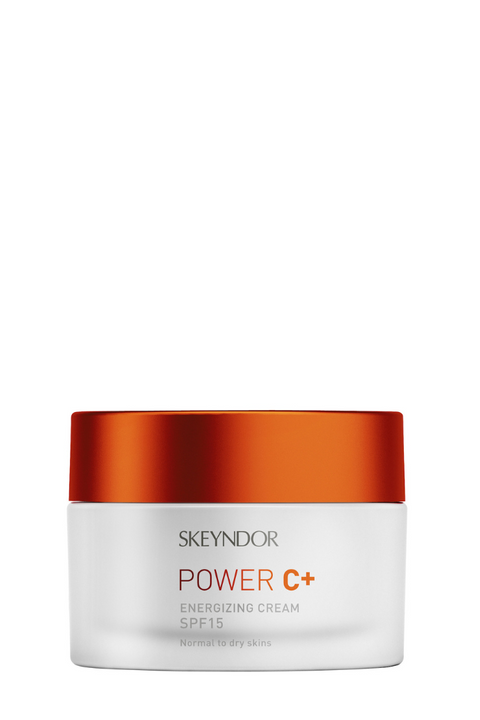
Brightening actives, led by vitamin C. Vitamin C is a well-regarded brightening antioxidant that helps improve the look of uneven tone over time and supports the skin against daily environmental stress. Used consistently as part of a morning routine under sun protection, it is one of the most reliable at-home steps for tone. SKEYNDOR makes professional vitamin C brightening care, such as the Power C range, for daily even-tone support.
Gentle resurfacing. Encouraging skin to renew at a healthy pace helps lift pigment-laden cells and reveal fresher skin beneath. Gentle, consistent renewal beats aggressive over-exfoliation, which can inflame skin and leave more marks than it clears.
Professional treatment. For more established uneven tone, in-clinic professional brightening and resurfacing treatments go further than home care can, performed by a trained therapist who can assess your skin and choose the right approach and season. A professional chemical peel is one common option, best undertaken in the low-UV months. SKEYNDOR offers professional depigmentation and brightening treatments through its trained clinic and spa network.
Why this matters for your skin
Pigmentation is the most visible record of how a face has met the sun over the years, and in Australia that record accumulates faster than almost anywhere on Earth. The reassuring part is that once you understand the lag, the delayed expression and the seasonal rhythm, you stop fighting your skin on the wrong timeline. You stop expecting summer marks to clear in summer, and you start doing the real work in winter when it counts. Even tone is not about chasing spots after they appear. It is about protecting daily and acting in the right season.
Common questions about post-summer pigmentation
How long after sun exposure does pigmentation appear? It varies. A tan appears within hours to days, but the deeper pigment that reads as a dark spot can take weeks to surface as skin cells turn over. This is why marks from a summer of exposure often become most visible in autumn and winter.
Does pigmentation go away on its own? Some superficial sun marks soften slowly over months as skin renews, but only if further UV is minimised. Without daily SPF, fresh exposure keeps stimulating melanin, so uneven tone often persists or deepens rather than clearing by itself.
Can heat make pigmentation worse without sunburn? Yes. Heat alone can stimulate melanin activity, so hot cars, cooking, saunas and warm climates may contribute to uneven tone even without a visible burn. This is one reason pigment can worsen across a long, hot Australian summer.
Is winter a good time to treat pigmentation? Winter is often the sensible time to work on the appearance of uneven tone. Lower UV means brightening routines and professional resurfacing carry less risk of fresh sun-triggered pigment, and results are far easier to protect while skin recovers.
Will vitamin C fade my dark spots? Vitamin C is a well-regarded brightening antioxidant that can improve the look of uneven tone over time when used consistently. It works best within a routine built on daily SPF, gentle renewal and realistic timelines of several weeks to months.
Does SPF really help existing pigmentation? Yes. Daily broad-spectrum SPF will not erase existing marks, but it is the most important step for preventing them from deepening and for letting any brightening effort show. Without it, new UV keeps re-triggering the pigment you are trying to fade.
Right now, in the low-UV cooler months, is the best window of the year to work on even tone. Explore SKEYNDOR brightening and even-tone care, including vitamin C, to build your daily routine, and if you want professional brightening or resurfacing done at the right time by trained hands, find your nearest SKEYNDOR salon in Australia. SKEYNDOR has been formulating professional skincare for 60 years, since 1966 in Barcelona, with 4,500 formulas across more than 60 countries. SCIENCE creates BEAUTY.
Ready to experience it properly?
Every SKEYNDOR treatment in Australia is delivered by trained therapists in authorised partner clinics and spas.
Find a clinic near youBefore You Go…
Here are a few handpicked articles to inspire your next self-care moment.


