

Why is my skin worse in winter?
Your skin gets worse in winter because cold, dry air and indoor heating strip its protective barrier, letting water escape faster than it is replaced. In Australia the real culprit is often reverse-cycle heating, which can drop indoor humidity below 20%. The result is tight, flaky, itchy, dehydrated skin.
Key takeaways
- Winter damage is barrier damage. Cold air, wind and hot showers strip the lipids that hold water in, so skin loses moisture through transepidermal water loss (TEWL) faster than it rebuilds it.
- The hidden driver in Australia is indoor heating, not the outdoor cold. Reverse-cycle and ducted systems push indoor humidity below 20%, so a heated lounge room dehydrates skin faster than the air outside.
- Your summer routine fails because it was built for humid air. Gel moisturisers and water-based serums add humectants and never seal them in, so the water they attract evaporates straight back out.
- Three moves rebuild it: Protect the barrier, Replace lost lipids, Seal with an occlusive over damp skin.
- Winter is the best season for active professional treatments. Lower UV makes freshly resurfaced or pigment-treated skin far easier to protect.
On this page
- Why cold weather damages the skin barrier
- Does indoor heating dry out your skin?
- The Protect, Replace, Seal framework
- Your summer-to-winter routine swap
- Why your skin is itchy with no rash
- Why your usual products stop working
- Why lips and hands suffer first
- Why winter is the best time for treatments
By the SKEYNDOR Australia Education Team. SKEYNDOR is a professional skincare house founded in 1966 in Terrassa, Barcelona, with 60 years of formulation behind it. This guide reflects what trained skin therapists see across an Australian winter. Last reviewed: July 2026.
Why does cold weather damage the skin barrier?
Cold air holds less water than warm air. That single fact sits behind almost every winter skin complaint, because dry air pulls moisture straight out of your skin. The damage lands on the barrier, and cold attacks it from several directions at once. Your outermost layer, the stratum corneum, works like a brick wall. The bricks are skin cells. The mortar is a blend of barrier lipids: ceramides, cholesterol and fatty acids. That mortar, with a thin acidic film called the acid mantle, is what keeps water in and the world out.
Cold pulls at both. Lower temperatures slow the enzymes that build barrier lipids, so the mortar sets more slowly. Cold air holds less moisture, so the air around you runs drier and draws water out through a process called transepidermal water loss, or TEWL. Then the wind sweeps moisture straight off the surface. The barrier loses water faster than it can rebuild it.
Then there is the thing most of us do to feel warm: long, hot showers. Hot water dissolves oil. It strips the acid mantle and melts the very lipids the barrier depends on, which is why skin feels tight and squeaky the second you step out. A stripped barrier is more permeable, more reactive and slower to heal. Every one of these forces compounds across an Australian winter.
Winter dryness is not skin making less. It is a stripped barrier losing water it can no longer hold.
Does indoor heating dry out your skin?
Yes, and this is the part most Northern Hemisphere advice misses. Indoors matters more here than the weather outside. Across Melbourne and the southern states, most homes are warmed by reverse-cycle air conditioning or ducted heating. Both warm the air and add no moisture to it. Warm air holds more water than cold air, so heating a room drops its relative humidity, often below 20%. Skin sits comfortable somewhere above 40 to 50%.
That gap creates a gradient. Water always moves from where there is more of it to where there is less. When the air is that dry, it draws water straight out of your skin. You can spend a July day moving between a heated home, a heated car and a heated office and never once give your skin humid air to rest in. A warm Australian lounge room in winter can dehydrate skin faster than standing outside in the cold.
This is why people get flaky patches in winter without changing a thing. The pattern repeats every July: a client blames a product that behaved perfectly all summer. Nothing in the routine is wrong. The environment changed underneath it. The fix runs on two tracks. One is behavioural, running a humidifier, shortening and cooling showers, keeping the heating a notch lower. The other is giving skin ingredients that hold water in place against dry air.
If your home is heated, treat the indoor air as the main offender. Build the routine to seal water in.

The Protect, Replace, Seal framework
If you remember nothing else, remember three words. This is the sequence a facialist follows to rebuild a winter-stressed barrier. It works at the bathroom sink too.
- Protect the barrier by removing what strips it. Turn hot water down to lukewarm, cut showers short, stop over-cleansing. Swap any foaming or high-strength cleanser for a gentle one that does not strip.
- Replace the lost lipids. Move to richer emollients and look for barrier ingredients such as ceramides. You are putting back the mortar that cold and hot water dissolved.
- Seal with an occlusive over slightly damp skin. A humectant only helps if the water it pulls in cannot escape, so the final layer physically slows evaporation.
Do them in that order. Most people jump straight to Replace, buy a richer cream, and skip Protect and Seal. That is why the richer cream underperforms.
Three deliberate moves, in that order. That is the whole framework.
Your summer-to-winter routine swap
Most winter skin problems are a summer routine left running into the cold. The table below is the swap, step by step, with the reason each change matters. It is the fastest way to bring a routine into line with Protect, Replace, Seal.
| Summer step | Winter swap | Why |
|---|---|---|
| Foaming or gel cleanser | Gentle cream, milk or balm cleanser | Foaming surfactants strip an already fragile acid mantle. A non-foaming cleanse removes grime without dissolving barrier lipids. |
| Water-based or gel serum | Serum layered with a humectant plus barrier lipids | A water-based serum evaporates in dry air. Pairing a humectant such as glycerin or hyaluronic acid with ceramides gives it something to hold and rebuild. |
| Light gel moisturiser | Richer emollient cream | A gel is mostly humectant with little to seal it. An emollient replaces the oils that heating and hot water strip out. |
| No occlusive step | Occlusive over damp skin, especially at night | This is the step summer skin skips and winter skin needs most. It slows evaporation so the layers underneath actually work. |
| Moisturise once a day | Moisturise after every cleanse, and reapply to hands | Barrier loss is continuous in dry indoor air, so protection has to be topped up rather than applied once and forgotten. |
| Same routine morning and night | Lighter by day, richer and occlusive by night | Skin repairs overnight, so the heaviest Replace and Seal work belongs before bed when there is no makeup or friction. |
You rarely need a whole new shelf of products. You need richer versions of the same steps, plus the occlusive layer.
Why is my skin itchy in winter with no rash?
Winter itch with no visible rash almost always means barrier dysfunction, not a disease. It is one of the most common winter complaints, and one of the most misread.
The mechanism runs through the nerves. When the barrier is intact, the nerve endings in your skin sit relatively protected. Strip the barrier lipids with low humidity, hot water and heating, and the skin dries out. Micro-cracks open between the cells. Water escapes, the surface tightens, and those nerve endings fire far more easily. The brain reads that as itch. All of it can happen before there is anything to see, which is why people scratch skin that looks completely normal. The sign a professional looks for is skin that looks perfect and flinches at a light touch.
Now the trap. Scratching feels like relief and damages the barrier further, which drives more itch. That is the classic itch-scratch cycle. The way out is not to chase the itch on the surface. It is to rebuild the barrier underneath, so the nerve endings settle. Humectants to draw water in. An occlusive to stop it leaving again.
Winter also flares several managed skin conditions, including eczema, psoriasis and rosacea. The same barrier stress that dehydrates normal skin pushes these harder. A rough guide: simple barrier dryness improves within a couple of weeks of richer care, whereas a condition tends to recur in the same places, produce a defined rash, or shrug off moisturiser. If your itch is severe or persistent, or comes with redness, cracking, weeping or a rash that keeps returning, that is GP or dermatologist territory rather than something to manage with skincare alone.

Why do my usual products stop working in winter?
Because most routines are tuned to the season they were bought in, and Australian summers run warm and often humid. In that climate a lightweight gel moisturiser and a water-based serum feel perfect. Skin makes more oil, the air holds moisture, and a heavy cream would feel greasy.
Winter flips every one of those conditions. The same products can leave skin tight and flaky. To see why, it helps to know the three jobs moisturiser ingredients do:
- Humectants (such as glycerin and hyaluronic acid) act like sponges, pulling water into the upper layers of skin. Hyaluronic acid can hold many times its weight in water. But a sponge only helps when there is water to hold, and in very dry air a humectant can even pull moisture from deeper in the skin if nothing seals the surface.
- Emollients (such as squalane and plant oils) fill the gaps between skin cells and replace lost lipids. They are what make skin feel smooth and supple rather than rough, and they are exactly what a hot shower strips away.
- Occlusives (such as heavier butters and waxes) form a breathable seal that slows water from evaporating off the surface. Most summer routines skip this step. It is the one winter skin needs most.
A gel moisturiser is mostly humectant. In humid weather that is enough. In a heated home at 18% humidity, a humectant with nothing over it is like watering a plant in full wind. The water goes straight back out. The products did not stop working. They became the wrong tool for the conditions.
One more distinction worth drawing. Dry skin lacks oil and tends to be a lifelong type. Dehydrated skin lacks water and is a temporary state that even oily and blemish-prone skin can fall into, especially in winter. The two need different answers, and we cover the distinction in detail in dehydrated vs dry skin, because getting it wrong is one of the main reasons a winter routine fails.
Why do lips and hands suffer first?
Lips and hands are the early-warning system, and it comes down to anatomy. Lips have no oil glands at all and only a very thin outer layer, so they carry almost no barrier to lose. They dry, chap and crack faster than anywhere else on the body. Licking them makes it worse, because saliva evaporates and takes surface moisture with it, and its enzymes are mildly irritating.
Hands have very few oil glands too, and they take the most punishment: cold air, wind, and repeated washing. Every wash with hot water and soap strips the barrier a little more, and across a winter of frequent hand-washing that adds up to raw, tight, sometimes cracked skin. Both teach the same lesson the whole face follows. The thinner and more exposed the skin, and the more often you strip it, the faster the barrier fails. Treat lips and hands as the signal that the rest of your skin needs the same richer, more protective care.

Is winter actually the best time for professional skin treatments?
Yes, and this one is worth planning around. Winter is widely considered the ideal season for the more active professional treatments, especially resurfacing and work on uneven tone and dark spots. The reason is UV.
The single biggest risk after a resurfacing or pigment-focused treatment is sun exposure. Freshly treated skin is more photosensitive, and strong UV can irritate it and drive uneven tone straight back, undoing the result. An Australian summer, with high UV and long daylight, puts that risk at its peak. Winter lowers the UV and cuts the time you spend in strong sun, so treated skin is far easier to protect while it recovers. Diligent daily sun protection still matters year-round. The cooler months give you the most forgiving window.
This is also why winter is the smart time to address the pigmentation an Australian summer leaves behind. If summer sun has deepened dark spots or unevened your tone, the cooler months are when a professional can work on it with the lowest chance of it rebounding. We explain that seasonal logic in why pigmentation is worse after an Australian summer.
There is a second reason winter suits the treatment room. When your barrier is already stressed by cold and heating, a professional assessment tells you what your skin actually needs, rather than leaving you to guess with products. A therapist can calm and rebuild a compromised barrier, then build a seasonal plan around it. That is a faster route back to comfortable skin than trial and error at the bathroom sink.
Why this matters for your skin
Winter skin problems are not a flaw in your routine or your skin. They are a predictable response to a change in your environment, most of it self-inflicted through heating and hot water. Predictable problems have reliable fixes. Protect the barrier. Replace lost lipids. Seal water in against dry air. Guard the thin, exposed areas, and use the low-UV season for the more active work. Do that and winter stops being the season you brace for. It becomes the one where you get ahead.
Frequently asked questions
Why is my skin itchy in winter but there is no rash? Itch without a visible rash usually means barrier dysfunction, not a skin disease. When low humidity and hot showers strip barrier lipids, water escapes and nerve endings in dry skin become more sensitive. You feel the itch before anything shows. Restoring the barrier with humectants and occlusives typically settles it.
Does indoor heating really dry out your skin? Yes. Reverse-cycle and ducted heating warm the air without adding moisture, which can push indoor humidity below 20%. Dry air pulls water out of your skin faster through higher transepidermal water loss, so a heated Melbourne home in July can be more dehydrating than the weather outside.
What is the difference between dry and dehydrated skin? Dry skin lacks oil (lipids) and is often a lifelong skin type. Dehydrated skin lacks water and is a temporary condition anyone can get, including oily skin. Winter commonly causes both at once. The fixes differ, which is why the same products can stop working.
Why do my usual products stop working in winter? A routine balanced for warm, humid conditions is often too light for cold, dry air. Gel moisturisers and water-based serums do not replace lost lipids or seal moisture in. In winter, skin usually needs richer emollients and an occlusive step to hold water where humectants put it.
Is winter a good time for professional skin treatments? Yes, winter is the ideal season for resurfacing and pigment work. Lower UV levels and less time in strong sun mean freshly treated skin is easier to protect and less prone to irritation and uneven tone. Many people plan their more active treatments across the cooler months.
When should I see a professional about my winter skin? See a skin therapist if dryness, itch or redness does not settle within two to three weeks of richer care, keeps returning, or cracks and stings with everything you apply. Persistent or worsening symptoms deserve a proper assessment rather than more guesswork with products.
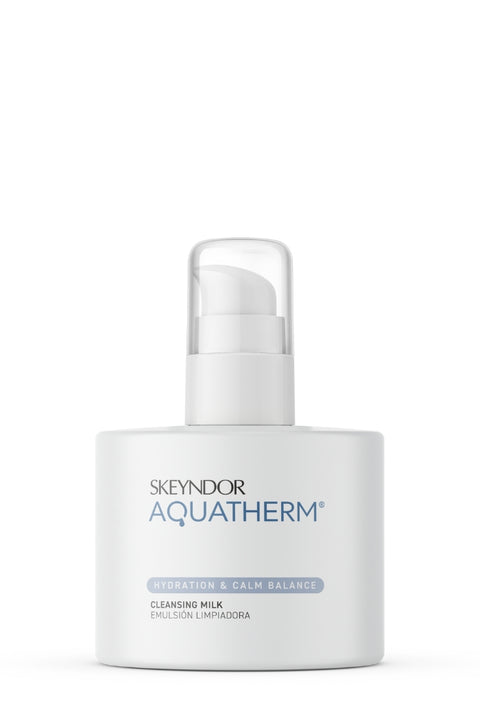
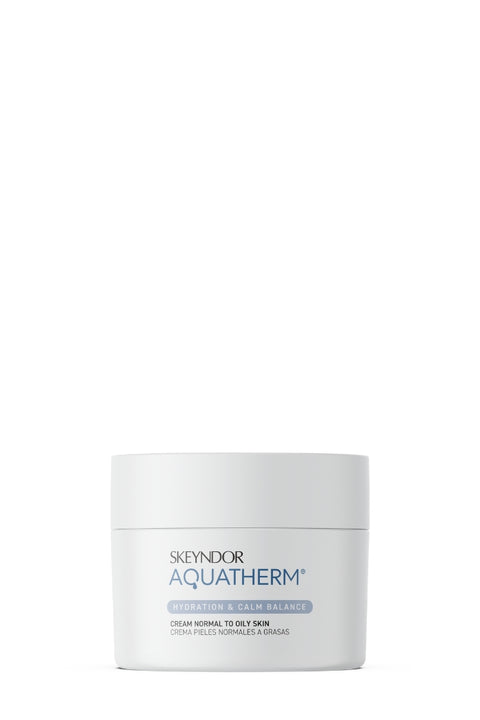
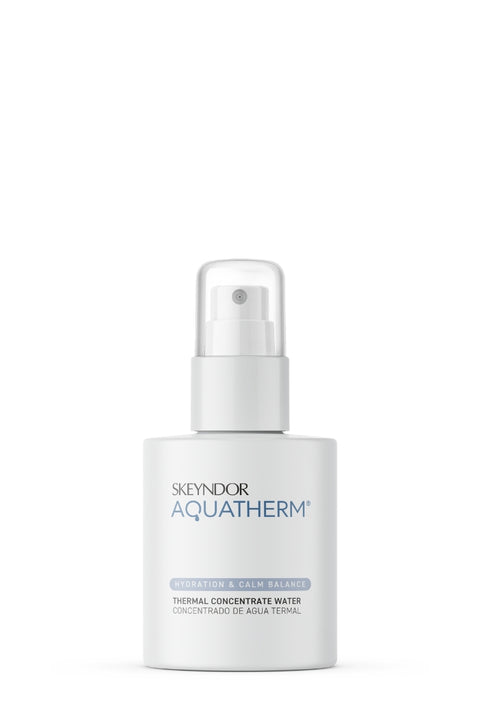
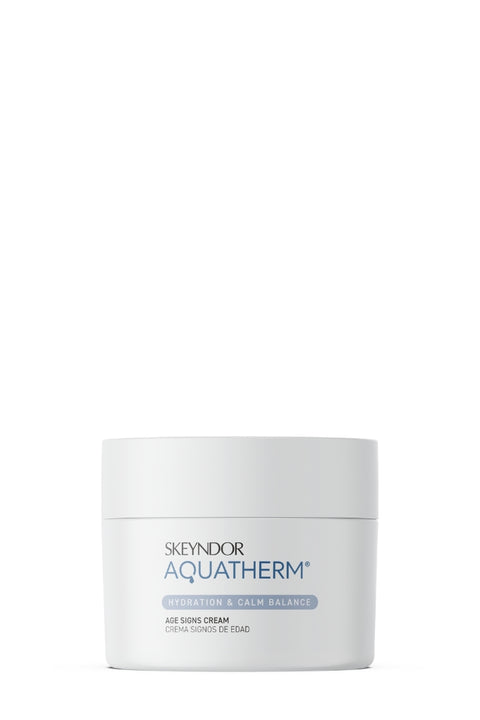
If your skin is dehydrated, reactive or barrier-compromised this winter, this is exactly the moment to get it looked at by someone who does it every day. SKEYNDOR is a professional skincare house founded in 1966 in Terrassa, Barcelona, with 60 years of formulation behind it, and its Aquatherm range is built around thermal spring water for sensitive, reactive and dehydrated skin, the range coastal and cool-climate customers reach for when, as one puts it, "hydration is always a concern" and it is "the only one that properly moisturises" very dry skin. If you would like to understand the science first, read what thermal spring water actually does in skincare. When you are ready for hands-on help, find a SKEYNDOR clinic near you and let a professional build your winter plan.
Not sure what your skin needs?
Two minutes with SKIN IQ maps your skin and matches the routine to it. No guesswork.
Take the skin quizBefore You Go…
Here are a few handpicked articles to inspire your next self-care moment.


